Process of Growing Coffee in Nepal

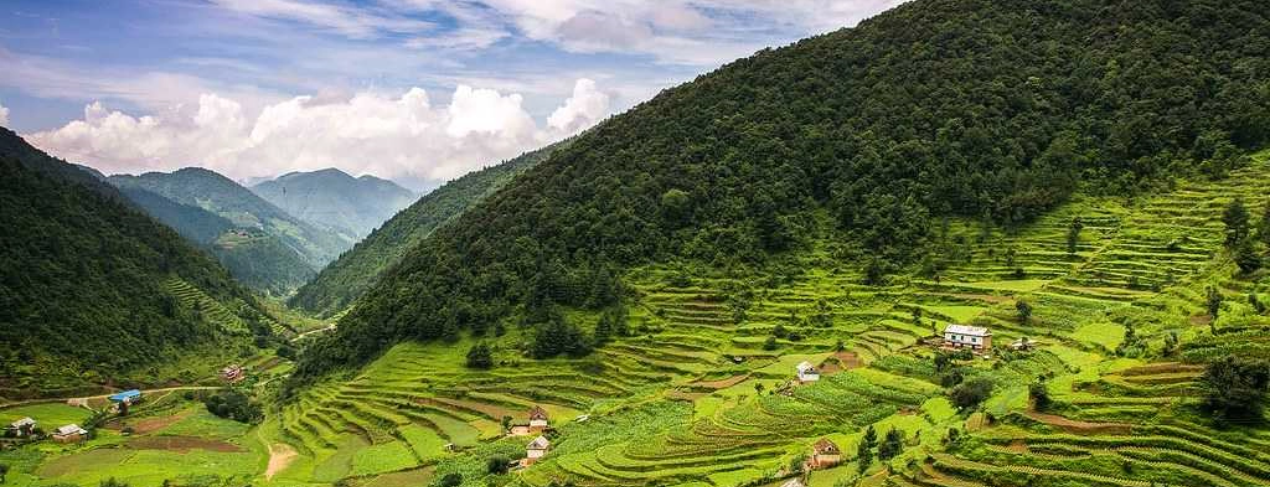
Coffee seedlings require a year in a nursery before being put in the fertile soil of the mountainous terrain. Farmers must wait four to five years for the harvest of coffee beans. The farmers look after the trees as they mature. Our farmers are strictly ordered not to let the plant to grow higher than a person or broader than arms’ reach. During plant growth, the farmers solely utilize organic fertilizer.

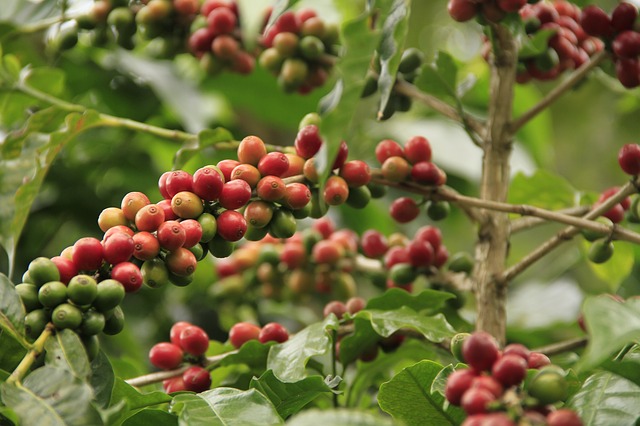
Every year, between November and March, the beans are harvested. We exclusively harvest red cherries from farmers. The underripe, green, and poor cherries are separated from the high-quality beans.

We only provide completely ripe red cherry beans, which have a rich taste and tickle on the mouth.

Deep dive into our flavour profile

Cooler temperatures at higher elevations decrease the development rate of the coffee plant. Plants focus more on reproduction when they grow at a slower rate. The flavor of beans is affected by the altitude at which they are produced. Coffee cultivated at higher elevations is often of higher quality, having more nuanced taste characteristics than coffee grown at lower elevations. The flavor and quality differences are attributable to two factors: water and temperature. Cooler temperatures at higher elevations decrease the development rate of the coffee plant.

Plants focus more on reproduction when they grow at a slower rate. The plant then devotes more energy to bean formation, which generates more of the sugars responsible for your favorite coffee’s wonderful flavor characteristics. Higher elevations have greater drainage than lower altitudes in the watershed. Improved drainage results in less water in the beans, which concentrates the tastes provided by the sugars.

So, while choosing up beans, what altitude should you check for? It’s totally up to you and your personal taste. Beans cultivated at higher elevations, exceeding 1,300 meters (4,500 feet), are more “acidic,” resulting in tastes like fruits and berries in the cup. This may be branded as SHB, which stands for super hard bean, or Altura, which means “height” in Spanish. A bean produced at a lower altitude would be better if you want a coffee that is more mellow and smooth in flavor. Take a look at the chart below to help you choose your new favorite bean.

Coffee production history in Nepal

Though coffee was initially cultivated in Nepal some six decades ago, professional coffee production in Nepal began just around three decades ago. Coffee is one of the most difficult crops to cultivate due to the high level of care required at all stages of the coffee production process. It is also one of the goods with the highest market value and returns.

It is a highly successful industry if the farmers and business people are able to produce the finest grade coffee. For these reasons, coffee cultivation and farming are becoming increasingly popular among farmers. Nowadays, every farmer who understands the advantages of coffee growing in Nepal would pick coffee cultivation and farm over other goods. Coffee cultivation has taken over the farming business in Nepal.

The huge demand for coffee is one of the key reasons why coffee production in Nepal is such a lucrative industry. Demand exists not just in worldwide markets, but also in Nepalese markets. The days of Nepalese people being satisfied with instant coffee are long gone. Everyone nowadays needs organic coffee-based drinks. Although few people recognize it, the cause for this is also coffee cultivation in Nepal.

Importing organic coffee from other countries raises the price of coffee beans, making it unaffordable for the majority of locals. Since the beginning of commercial coffee production in Nepal, residents have been able to obtain international class coffee at a very affordable cost. This is one of the factors that has led to their drinking more coffee. This would not have been feasible without coffee cultivation in Nepal.

Coffee cultivation in Nepal has had a significant influence on the lives of farmers. There appears to be hope for them to continue farming and have a nice life. Coffee cultivation in Nepal has introduced the world to a new form of coffee—Himalayan Coffee Beans, which have a distinct flavor due to their superior location and elevation.

Nepal is becoming well-known among coffee enthusiasts. Furthermore, organizations such as the Specialty Coffee Association of America and many others have acknowledged Nepalese coffee as having a high grade of coffee and Nepal as a nation with an optimal environment for growing high-quality coffee. Coffee cultivation in Nepal has resulted in several beneficial developments in the national and worldwide coffee industries.

HAVE A NICE COFFEE DAY

“I judge a restaurant by the bread and by the coffee.” ~Burt Lancaster

Why altitude matters ?

The flavor of coffee beans is influenced by the altitude at which the plants are cultivated. The higher the altitude, the better the quality of the beans tends to be. This is why the coffee beans farmed in Nepal’s mid-hills regions have a flavor that will delight your taste buds. 

The flavor of coffee is influenced by environmental conditions. Cooler temperatures at higher elevations slow the growth rate of the coffee plant. At a decreased growth rate, the plant concentrates on reproduction. The plant then devotes more energy to bean formation, which provides more sugars, resulting in outstanding flavors in Himalayan luxury coffee.

Higher altitudes also offer a benefit in terms of improving the quality of the beans. They have an easy-to-use drainage system. Better drainage results in less water in the beans, which aids in the concentration of the flavors provided by the sugars.